Home / Treatments / Dental Implants - Single Tooth
Dental Implants in Columbus, OH
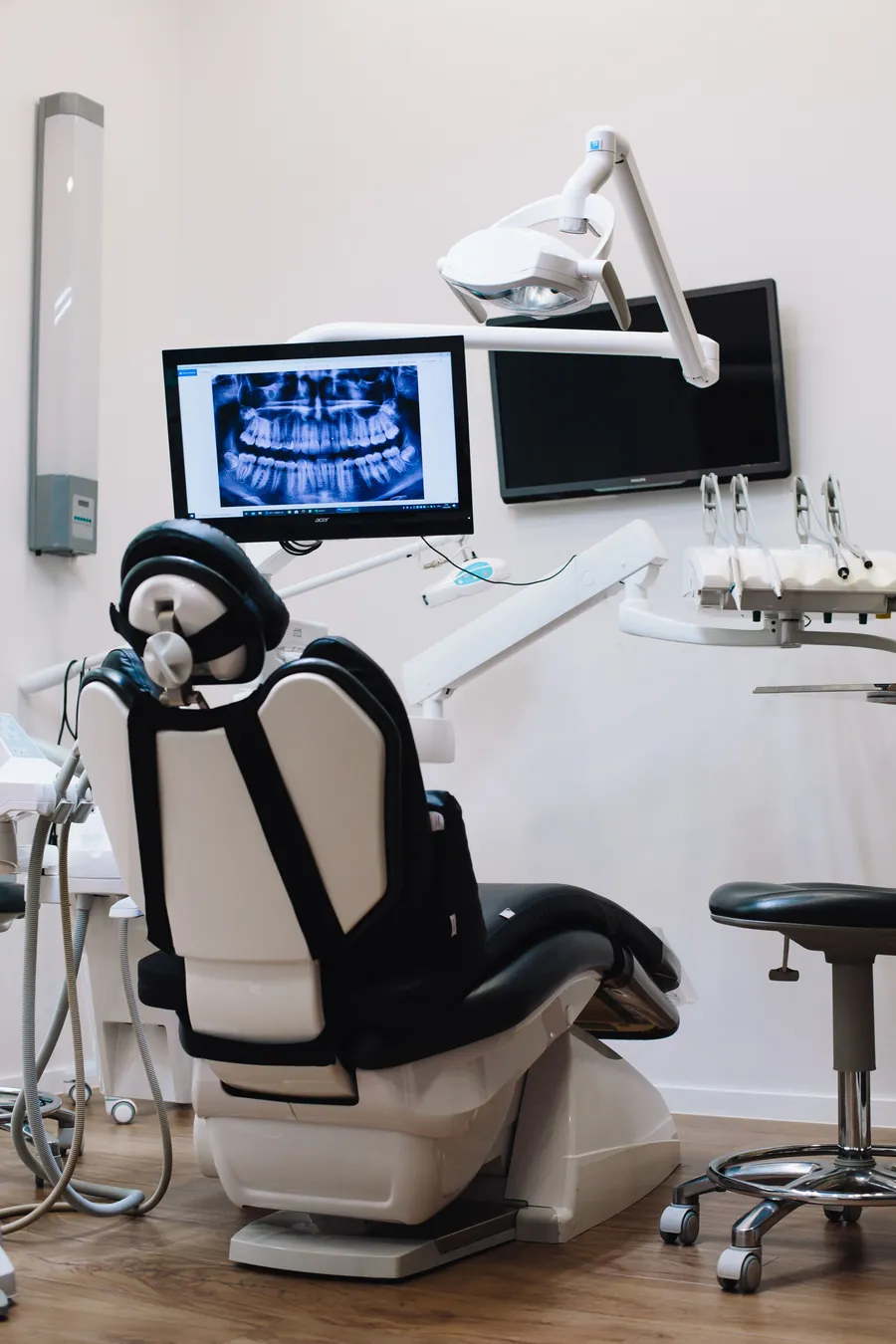
A dental implant replaces the root of a missing tooth with a small titanium post, topped with a crown that looks and chews like a natural tooth. Unlike a bridge, an implant does not require grinding down healthy neighboring teeth, and it helps preserve the jawbone that otherwise shrinks after tooth loss. Implants are the closest dentistry comes to giving you your own tooth back, which is why they have become the standard recommendation for most single-tooth replacements in Columbus. The process is more comfortable than most patients expect, and the consultation includes 3D imaging so you can see exactly what is planned before anything is scheduled.
How to choose a provider in Columbus
- A written, itemized estimate before you agree to anything, so you can compare options apples to apples.
- 3D imaging included in the consultation, with your surgeon walking you through your own scan.
- Sedation options matched to your comfort level, from nitrous oxide to IV sedation.
- Clear written aftercare and an office you can reach after surgery if something feels off.
- A consultation that informs without pressure: you leave with a plan and a number, then decide on your timeline.
What to know about dental implants - single tooth
Planned with 3D imaging
Your implant is planned on a 3D scan before surgery, so placement accounts for nerves, sinuses, and available bone. Surgical guides are used where they improve precision, and you will see the plan before the day of surgery.
Built to last
With normal hygiene and regular dental checkups, the implant itself can last decades, often a lifetime. The crown on top may need replacement after 10 to 15 years of wear, similar to a crown on a natural tooth.
One tooth or several
From a single missing tooth to implant-supported bridges, your consultation maps the full plan, including whether bone grafting is needed first and what the timeline looks like.
Who is this for?
- Adults missing one or more teeth who want a fixed, natural-feeling replacement
- Patients with a failing tooth that needs extraction and replacement
- Denture wearers looking for a more stable option (see full-arch treatment)
What does it cost in Columbus?
$3,500 to $6,000 per tooth including the implant, abutment, and crown (self-pay). Bone grafting, if needed, runs $400 to $1,200 per site. Some dental plans cover part of the crown or related procedures. Benefits are verified before treatment and shown in your written estimate.
Sedation and surgery decisions are made with your surgeon at your consultation, based on your health history and exam.
Your visit, step by step
Consultation and 3D planning: your exam includes a 3D scan showing bone volume, nerve position, and sinus location. Your surgeon explains whether you are ready for an implant or need grafting first, with a written estimate for each step.
Placement day: the implant is placed under local anesthesia, with sedation available. Most appointments take about an hour per implant, and you go home the same day with aftercare instructions.
Healing and final crown: over three to four months the implant bonds with your bone. You then return for the abutment and the final crown, shaped and shaded to match your natural teeth.
Recovery
Discomfort after placement is usually mild and manageable with over-the-counter medication. Most patients return to work within a day or two, eating soft foods while the area settles. The implant then needs three to four months of undisturbed healing to bond solidly with bone. You will have brief check-ins during that time, and in selected cases a temporary tooth can be worn so you never have a visible gap.
Risks, discussed honestly
Implant surgery is routine, but any honest practice walks through the risks before you commit. The main ones are infection at the surgical site; the implant not bonding with the bone, which usually means removing it, letting the area heal, and trying again; and, for upper back teeth, closeness to the sinus cavity, which is exactly what the 3D scan evaluates. Smoking and uncontrolled diabetes raise the failure rate noticeably, so the consultation includes a candid verdict on whether you are a good candidate. If the answer is not yet, you will hear what would need to change first.
What happens if you wait?
Waiting after tooth loss has a quiet cost that adds up. The jawbone shrinks month by month, neighboring teeth drift toward the gap, and the opposing tooth can over-erupt, all of which make future treatment more complex and more expensive than acting sooner. An implant placed while bone is still plentiful usually means no grafting and a simpler surgery. If cost is the reason for waiting, say so at the consultation: a staged plan can sequence treatment over time, because doing nothing still has a price, it just arrives later as a bigger bill.
Frequently asked questions
Related treatments
Related guides
Ready to talk it over?
One consultation gives you a scan, a plan, and a real number for dental implants - single tooth. Then you decide. No pressure, no obligation.
Request My Consultation